How to Open a Restaurant: The Complete 2025 Guide for First-Time Owners
Everything you need to know about opening your first restaurant, from concept development to grand opening. A step-by-step guide with costs, timelines, and expert tips.
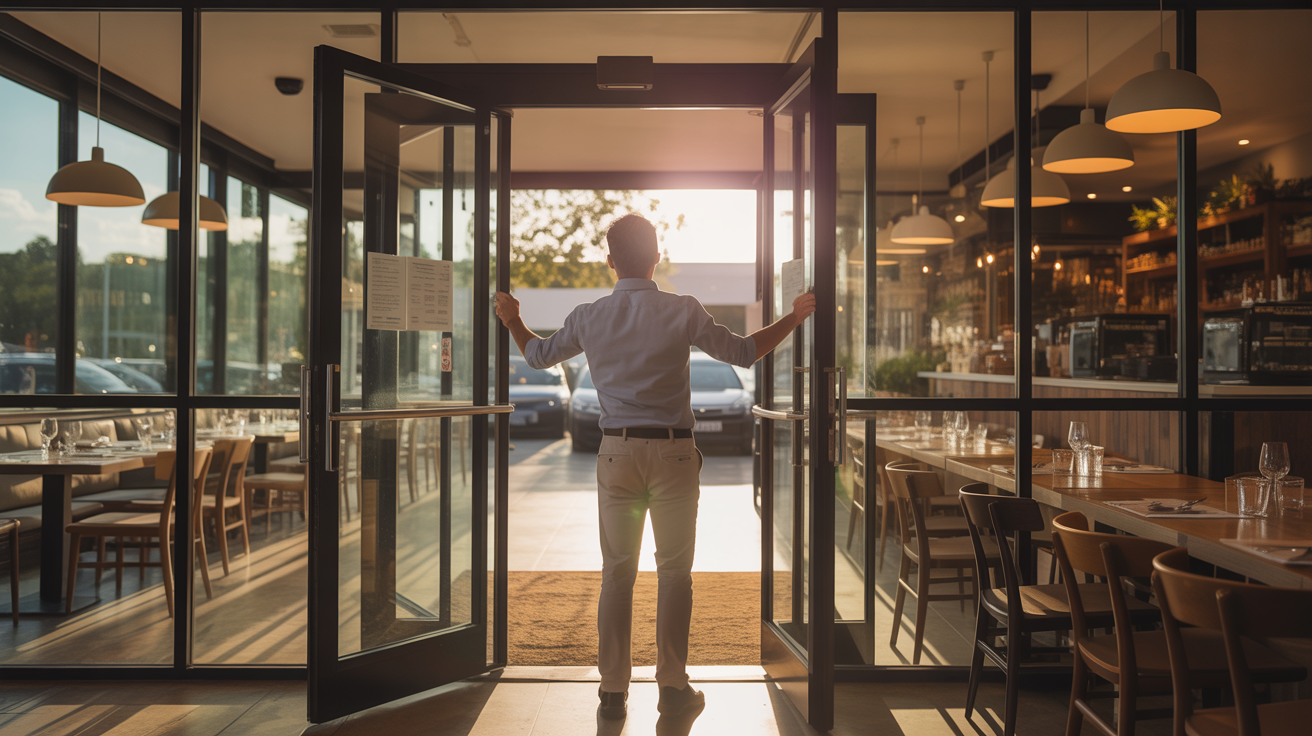
Opening a restaurant is one of the most exciting entrepreneurial journeys you can embark on. However, it is also one of the most challenging. This comprehensive guide will walk you through every step of the process, from initial concept to grand opening.
Step 1: Develop Your Restaurant Concept
Before you invest a single dollar, you need a crystal-clear vision for your restaurant. Your concept is the foundation upon which everything else is built.
Defining Your Cuisine and Style
Cuisine Type: What food will you serve? Consider your passion, expertise, and local market demand. The best concepts combine personal passion with market opportunity.
Service Style: Will you be fast-casual, fine dining, counter service, or full-service? Each model has different capital requirements, staffing needs, and profit margins.
Identifying Your Target Market
Target Audience: Who is your ideal customer? Young professionals, families, date-night couples? Understanding your customer is essential for every decision you'll make.
Price Point: What will your average check be? This affects everything from location to decor to marketing strategy.
Creating Your Unique Value Proposition
Unique Value Proposition: What makes you different from the 50 other restaurants nearby? In a competitive market, differentiation is survival.
Spend time researching your local market. Visit competitor restaurants, analyze their menus, observe their operations, and read their reviews.
---
Step 2: Write a Business Plan
A solid business plan is essential for securing funding and keeping you on track. Your plan should include:
Core Plan Components
- Executive Summary - Your elevator pitch on paper
- Company Description - Legal structure and ownership
- Market Analysis - Research on your target market and competition
- Organization and Management - Your team structure
- Menu and Service - What you'll serve and how
- Marketing Strategy - How you'll attract customers
- Financial Projections - 3-5 year forecasts
- Funding Requirements - What you need and how you'll use it
Time Investment Required
Most first-time restaurant owners underestimate this step. A well-researched business plan takes 40-80 hours to complete properly. Don't rush it.
---
Step 3: Calculate Your Startup Costs
Restaurant startup costs vary dramatically based on location, size, and concept. Here are typical ranges:
Cost Ranges by Restaurant Type
| Restaurant Type | Square Footage | Total Investment |
|-----------------|----------------|------------------|
| Small Fast-Casual | 1,000-1,500 sq ft | $175,000 - $375,000 |
| Mid-Size Casual Dining | 2,000-3,000 sq ft | $350,000 - $750,000 |
| Full-Service Restaurant | 3,000-5,000 sq ft | $750,000 - $1,500,000 |
Key Cost Categories
- Lease deposits and rent (3-6 months upfront)
- Build-out and renovations (often the largest expense)
- Kitchen equipment (new vs. used makes a big difference)
- Furniture and fixtures
- Initial inventory
- Licenses and permits
- Technology (POS, reservation system)
- Marketing and grand opening
- Working capital (3-6 months of operating expenses)
---
Step 4: Secure Funding
Most first-time restaurant owners use a combination of funding sources:
Common Funding Sources
Personal Savings: Typically 20-30% of total costs. Investors want to see you have skin in the game.
SBA Loans: Government-backed loans with favorable terms. The SBA 7(a) program is popular for restaurants.
Bank Loans: Traditional business loans, though harder to get without restaurant experience.
Investors: Friends, family, or angel investors. Be clear about expectations and equity.
Equipment Financing: Lease or finance kitchen equipment separately to preserve cash.
Pro Tip
Have at least 25-30% of your total startup costs in cash before seeking additional funding. This shows lenders and investors you're serious.
---
Step 5: Choose Your Location
Location can make or break your restaurant. This decision deserves significant time and research.
Location Evaluation Criteria
- Foot traffic and visibility - Can potential customers see you?
- Parking availability - Inadequate parking kills restaurants
- Demographic match with your target audience
- Competition in the area - Some is good, too much is dangerous
- Lease terms and costs - Read every clause carefully
- Zoning and permit requirements - Verify before signing
- Condition of the space - Second-generation saves money
Lease Negotiation Tips
Negotiate your lease carefully. Restaurant leases typically run 5-10 years with options to renew. Key items to negotiate:
- Free rent during build-out
- Tenant improvement allowance
- Personal guarantee limitations
- Renewal options and terms
---
Step 6: Get Licenses and Permits
The permitting process can take 2-6 months. Start early as it's often the biggest source of delays.
Required Licenses and Permits
| Permit Type | Typical Cost | Timeline |
|-------------|--------------|----------|
| Business license | $50 - $400 | 1-2 weeks |
| Food service license | $100 - $1,000 | 2-4 weeks |
| Liquor license | $3,000 - $400,000 | 1-6 months |
| Health department permit | $100 - $1,000 | 2-4 weeks |
| Fire department approval | $100 - $500 | 1-2 weeks |
| Building permits | 2-5% of construction | 4-8 weeks |
| Sign permits | $100 - $500 | 1-2 weeks |
| Music license (ASCAP, BMI) | $300 - $800/year | 1 week |
---
Step 7: Design and Build Out Your Space
Work with professionals who have restaurant experience. General contractors without restaurant expertise often make costly mistakes.
Key Professionals Needed
- Architect: For layout and building plans
- Kitchen Designer: For efficient workflow and equipment placement
- General Contractor: For construction and build-out
- Interior Designer: For ambiance and brand expression
Timeline Expectation
Allow 3-6 months for design and construction. Add buffer time for inevitable delays.
---
Step 8: Purchase Equipment and Supplies
Equipment is a major investment. Buy smart to preserve capital.
Essential Equipment List
Kitchen:
- Commercial range and ovens
- Refrigeration units (walk-in and reach-in)
- Prep tables and storage
- Dishwashing equipment
- Smallwares (pots, pans, utensils)
- POS system
- Furniture (tables, chairs, booths)
- Tabletop items (plates, glasses, silverware)
- Decor and ambiance elements
Money-Saving Strategy
Consider buying quality used equipment to save 40-60% on costs. Restaurant auctions and equipment dealers offer excellent deals.
---
Step 9: Hire and Train Your Team
Your team is your most important asset. Great food with poor service fails.
Key Positions to Fill
- General Manager
- Executive Chef / Kitchen Manager
- Sous Chef / Line Cooks
- Servers
- Hosts
- Bartenders (if applicable)
- Dishwashers
Training Timeline
Budget 2-3 weeks for training before opening. Include:
- Menu knowledge and tasting
- Service standards and procedures
- POS system training
- Food safety certification
- Soft opening practice
---
Step 10: Plan Your Grand Opening
A successful launch creates momentum that can carry you through the challenging early months.
Launch Strategy
- Soft opening for friends and family (1-2 weeks)
- Media and influencer preview event
- Grand opening promotion with compelling offer
- Social media campaign building anticipation
- Local press outreach for coverage
---
Complete Timeline Summary
| Phase | Duration |
|-------|----------|
| Concept Development | 1-2 months |
| Business Plan | 1-2 months |
| Funding | 2-4 months |
| Location Search | 1-3 months |
| Lease Negotiation | 1 month |
| Permitting | 2-6 months |
| Build-out | 3-6 months |
| Hiring and Training | 1-2 months |
Total: 12-24 months from concept to opening
---
Final Tips for Success
The Five Keys to Restaurant Success
Opening a restaurant is hard work, but with proper planning and execution, it can be incredibly rewarding both personally and financially.
Ready to get started? Take our free Restaurant Readiness Quiz to assess your preparation level and get personalized recommendations.