Restaurant Food Cost Control: How to Hit Your Target Every Month
Master food cost control with proven strategies for purchasing, portioning, waste reduction, and menu pricing. Target 28-32% food cost consistently.
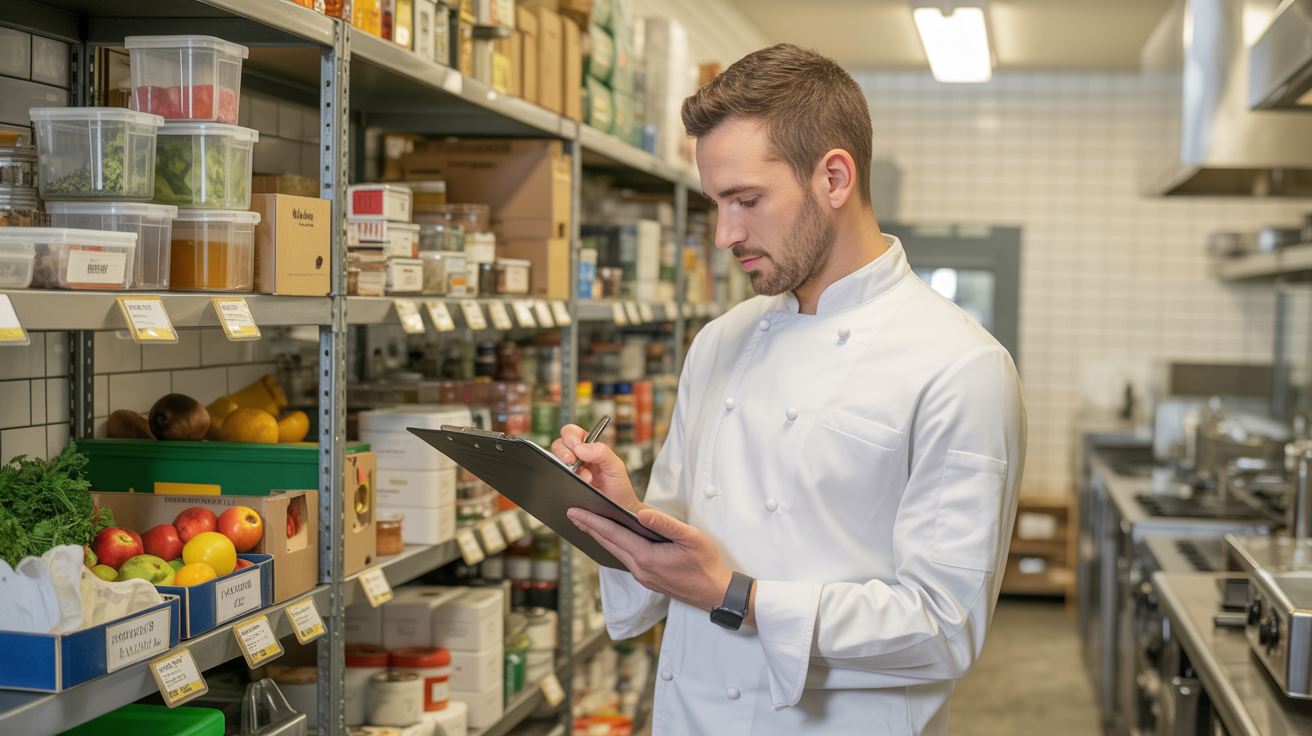
Food cost is one of the biggest controllable expenses in your restaurant. Mastering it can mean the difference between profit and loss.
Understanding Food Cost
The Food Cost Formula
Food Cost Percentage = (Beginning Inventory + Purchases - Ending Inventory) / Food Sales x 100
This simple formula tells you what percentage of your food sales goes toward the cost of ingredients.
Target Food Cost by Restaurant Type
| Restaurant Type | Target Food Cost |
|-----------------|------------------|
| Fast food/QSR | 25-28% |
| Fast casual | 28-32% |
| Casual dining | 28-35% |
| Fine dining | 30-38% |
| Pizza | 25-30% |
| Seafood | 35-40% |
Why Food Cost Matters
Every 1% improvement in food cost goes directly to your bottom line.
For a restaurant doing $1M in annual sales:
- 1% improvement = $10,000 more profit
- 3% improvement = $30,000 more profit
Small improvements create significant impact.
---
Calculating Menu Item Costs
The Recipe Costing Process
Example: Chicken Caesar Salad
| Ingredient | Amount | Unit Cost | Item Cost |
|------------|--------|-----------|----------|
| Romaine lettuce | 4 oz | $0.10/oz | $0.40 |
| Grilled chicken breast | 5 oz | $0.30/oz | $1.50 |
| Parmesan cheese | 1 oz | $0.40/oz | $0.40 |
| Croutons | 1 oz | $0.15/oz | $0.15 |
| Caesar dressing | 2 oz | $0.12/oz | $0.24 |
| Subtotal | | | $2.69 |
| + 10% waste allowance | | | $2.96 |
Menu price at 30% food cost: $2.96 / 0.30 = $9.87 (round to $9.95 or $10.95)
---
10 Strategies to Control Food Cost
Strategy 1: Implement Par Levels and Just-in-Time Ordering
Par level = minimum inventory needed between deliveries
Benefits
- Reduce waste from spoilage
- Lower carrying costs
- Fresher ingredients for guests
- Better cash flow
How to Set Par Levels
---
Strategy 2: Standardize Recipes and Portions
Consistency is everything. Every dish should be made the same way, every time.
Create Recipe Cards With:
- Exact measurements for every ingredient
- Step-by-step preparation instructions
- Plating photos for reference
- Portion sizes with visual guides
- Yield information
Portioning Tools
| Tool | Use For |
|------|--------|
| Portioning scales | Proteins, cheese, expensive items |
| Measured scoops/ladles | Sauces, soups, sides |
| Pre-portioned containers | Prep ingredients |
| Cutting guides | Proteins, bread |
---
Strategy 3: Track Inventory Weekly
Weekly Inventory Process
Don't skip weeks - consistency is key to spotting problems quickly.
---
Strategy 4: Reduce Waste Systematically
Types of Waste
| Waste Type | Examples | Solution |
|------------|----------|----------|
| Spoilage | Expired product | Better FIFO, smaller orders |
| Prep waste | Trim, peels | Cross-utilize, measure yield |
| Cooking waste | Overcooked, dropped | Training, recipes |
| Plate waste | Customer leftovers | Right-size portions |
| Theft | Missing product | Controls, cameras |
Reduction Strategies
- FIFO (First In, First Out) always
- Proper storage and labeling
- Cross-utilize ingredients across dishes
- Batch cooking appropriate amounts
- Track and weigh waste daily
---
Strategy 5: Negotiate with Suppliers
Negotiation Tactics
- Get quotes from 3+ suppliers for major items
- Commit to volume for better pricing
- Join a purchasing group
- Ask about payment term discounts (net 10 vs. net 30)
- Review contracts annually - prices creep up
Priority Items to Negotiate
Focus negotiation efforts on highest-cost items:
---
Strategy 6: Optimize Your Menu
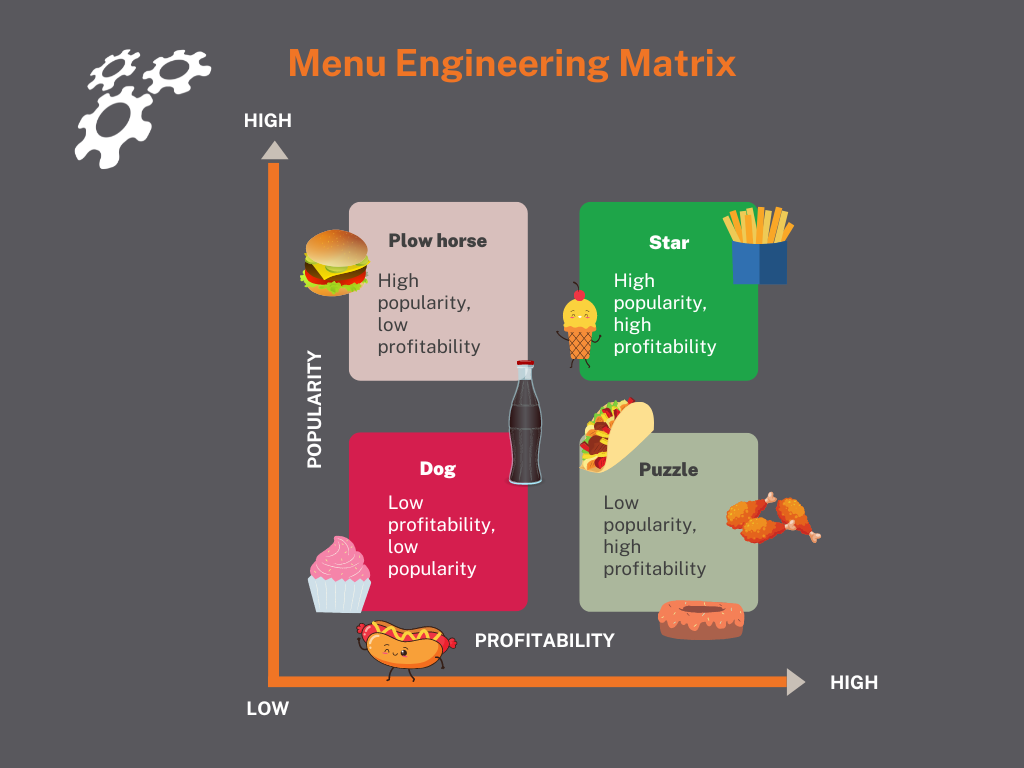
Menu Engineering Matrix
Analyze each menu item by popularity and profitability:
| Category | Popularity | Profit | Action |
|----------|------------|--------|--------|
| Stars | High | High | Promote heavily |
| Puzzles | Low | High | Reposition, feature |
| Plowhorses | High | Low | Reengineer or raise price |
| Dogs | Low | Low | Remove from menu |
Menu Optimization Tactics
- Highlight high-margin items with boxes, photos
- Remove or reprice underperformers
- Limit menu size (fewer items = less waste)
- Use psychological pricing
- Design layout for profitability
---
Strategy 7: Cross-Utilize Ingredients
Fewer products = less waste, better purchasing power, simplified training.
Example Cross-Utilization: Chicken
| Menu Item | Chicken Use |
|-----------|-------------|
| Grilled Chicken Entree | Breast portion |
| Caesar Salad | Sliced breast |
| Chicken Soup | Trim, bones for stock |
| Chicken Sandwich | Breast portion |
Example Cross-Utilization: Tomatoes
| Menu Item | Tomato Use |
|-----------|------------|
| House Salad | Diced fresh |
| Marinara Sauce | Crushed, cooked |
| Bruschetta | Diced with basil |
| Garnish | Sliced |
---
Strategy 8: Monitor Actual vs. Theoretical Food Cost
Theoretical food cost = what you should use based on sales mix (perfect world)
Actual food cost = what you actually used based on inventory (reality)
Variance Causes
| If Variance Is... | Possible Causes |
|-------------------|----------------|
| Over 1-2% | Over-portioning, waste |
| Over 3-4% | Theft, incorrect recipes |
| Inconsistent | Counting errors, poor controls |
Investigate immediately when variance exceeds 1-2%.
---
Strategy 9: Control Theft and Employee Meals
Theft Prevention
- Conduct spot inventories on high-value items
- Require manager approval for voids and comps
- Review comp and discount reports daily
- Install cameras in storage areas
- Create anonymous tip line
Employee Meal Policies
- Set clear, written policies
- Track all employee meals
- Limit to specific items or dollar amount
- Deduct from payroll or provide meal credits
- Enforce consistently
---
Strategy 10: Use Technology
Inventory Management Software Benefits
- Automated ordering suggestions
- Recipe costing updates with price changes
- Waste tracking and reporting
- Variance reporting
- Sales mix analysis
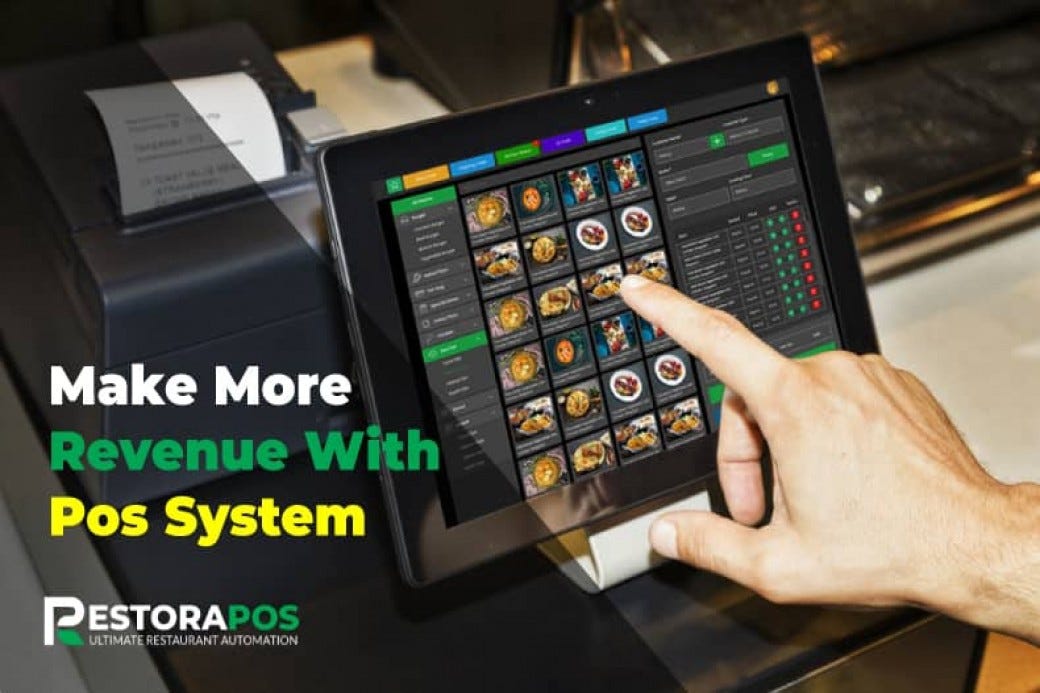
- Integration with POS for real-time data
---
Food Cost Red Flags
Investigate immediately if you see:
- Food cost spike of 2%+ without menu changes
- Variance between actual and theoretical over 2%
- Specific category costs rising (check for theft)
- Food cost varies significantly week to week
- Cost per dish rising faster than ingredient prices
---
Daily, Weekly, and Monthly Routines
Daily Checklist
- [ ] Check deliveries against orders
- [ ] Monitor prep waste
- [ ] Verify portioning on expo line
- [ ] Review comps and voids
Weekly Checklist
- [ ] Conduct full inventory count
- [ ] Calculate food cost percentage
- [ ] Review waste log totals
- [ ] Adjust par levels if needed
- [ ] Analyze sales mix
Monthly Checklist
- [ ] Full inventory audit with manager
- [ ] Update recipe costs for price changes
- [ ] Menu engineering review
- [ ] Supplier price comparison
- [ ] Staff training on portioning
- [ ] Review and address variances
---
Key Takeaways
Mastering food cost takes discipline and attention to detail, but the payoff is significant:
A well-controlled kitchen runs more efficiently, produces more consistent food, and generates substantially more profit.
Need help tracking your food costs? Our Operations Dashboard includes food cost tracking, inventory management, and variance analysis tools built specifically for restaurants.